Handling Script Font for Elegant Maker Brands
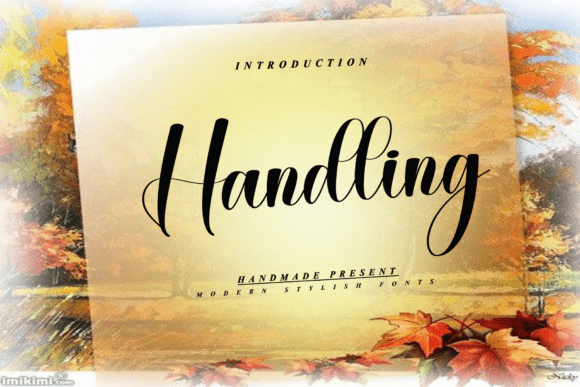
There is a specific kind of quiet satisfaction that comes when you finally nail the typography on a product label. I was recently arranging a batch of soy wax candles for a local market, struggling to find the right balance between rustic charm and high-end appeal. The labels felt flat until I loaded Handling into my design software. As a Script Handwritten typeface, it immediately transformed the simple ingredient list into something that looked curated and intentional. Among the thousands of Fonts available to designers today, Handling stands out because it does not just sit on the page; it flows across it with a natural rhythm that mimics genuine penmanship.
Creating Sophisticated Wedding Invitations with Handling
When working with couples planning their big day, the pressure to deliver perfection is immense. Handling has become my go-to recommendation for wedding invitations because it radiates the exact blend of charm and sophistication that modern brides are seeking. The smooth curves of this Script Handwritten font create a visual warmth that stiff, digital scripts often lack. In my recent tests, I used Handling for the names of the couple on a minimalist invite suite, pairing it with a clean, lightweight sans serif for the logistical details. The contrast was striking yet harmonious.
What makes Handling particularly effective for wedding stationery is its legibility at larger sizes. While many decorative Fonts break down when scaled up, revealing awkward joints or uneven spacing, Handling maintains its integrity. The handwritten feel remains consistent, giving the impression that each invitation was penned by a master calligrapher. This adds a layer of perceived value to the physical product, making the stationery feel like a keepsake rather than just information. For makers selling printable wedding templates, using Handling can significantly elevate the aesthetic appeal of listing images, helping potential buyers visualize the elegance of their final printed pieces.
Elevating Personal Branding and Boutique Packaging Design
In the world of small business, your packaging is often the first physical touchpoint a customer has with your brand. I tested Handling on a series of boutique clothing tags and cosmetic boxes, and the results were immediate. This Script Handwritten typeface adds a human element to mass-produced items, bridging the gap between the maker and the buyer. For personal branding, consistency is key, and Handling offers a versatile personality that works across various mediums, from social media graphics to physical hang tags.
The font’s ability to radiate sophistication makes it ideal for luxury niches such as skincare, jewelry, or artisanal foods. When applied to elegant packaging, the flowing strokes of Handling draw the eye and encourage a slower, more appreciative reading experience. It turns a simple logo or brand name into a design asset that communicates quality before the product is even opened. However, it is crucial to consider scale. While Handling shines on primary branding elements, it is best reserved for short phrases, names, or titles. Using it for long paragraphs of text can reduce readability, so I always recommend pairing it with a neutral serif or sans serif font for body copy to ensure the message remains clear while the brand identity remains strong.
Designing Readable Labels and Stickers for Handmade Goods
For crafters who rely on cutting machines like Cricut or Silhouette, font choice is not just about aesthetics; it is about production viability. I put Handling to the test on a sheet of vinyl stickers intended for candle jars and honey pots. As a Script Handwritten font, it requires careful attention to kerning and size to ensure that the intricate connections between letters do not become fragile points that tear during weeding. At a moderate size, Handling performs beautifully, offering a premium look that elevates simple glass jars into giftable products.
Readability is paramount when designing product labels. Handling’s smooth curves are distinct enough to be read quickly, which is essential for customers scanning shelves at markets or browsing online listings. However, makers should avoid using this font for tiny details, such as net weight or regulatory warnings, where a simpler, bolder Fonts option would be more practical. Instead, use Handling for the product name or the brand logo. This strategic use of typography guides the customer’s eye to the most important information first. When creating digital downloads or printable wall art, ensuring that the font is rasterized or outlined correctly can prevent issues for end-users who may not have advanced design skills, making your products more user-friendly and reducing customer support queries.
Pairing Handling with Complementary Typefaces for Modern Typography
No font exists in a vacuum, and the true power of Handling is revealed when it is paired with complementary typefaces. In my design workflow, I often experiment with different combinations to find the perfect balance for personal branding and wedding invitations. Because Handling is a flowing Script Handwritten font with significant personality, it pairs best with understated, structured fonts. A geometric sans serif provides a modern, clean counterpoint that allows the script to shine without competing for attention. Alternatively, a classic serif font can enhance the traditional, romantic vibe, making it perfect for vintage-inspired designs.
Understanding these dynamics is crucial for creating cohesive brand identity systems. When using Handling for elegant packaging, consider the hierarchy of information. The script should dominate the visual space, acting as the hero element, while secondary fonts support it with clarity and structure. This approach ensures that your design assets remain professional and polished. Before finalizing any commercial project, always check the licensing terms of your Fonts to ensure they cover your intended use, whether that is physical merchandise, digital templates, or client work. By respecting these guidelines and leveraging the natural beauty of Handling, makers and designers can create products that not only look beautiful but also communicate the care and craftsmanship behind them.